This 26-Episode Sci-Fi Hidden Gem Is So Good, It Deserves a Second Life
When Dollhouse first aired on Fox on 2009, it had all the markings of a genre-defining hit: a high-concept premise, a talented ensemble led by Eliza Dushku, and a darkly ambitious story about identity, technology, and control. Yet despite its pedigree and potential, the series struggled to find its footing with mainstream audiences, lasting only two seasons before its cancellation.
More than a decade later, Dollhouse is finally getting the appreciation it deserves, making it exactly the kind of hidden gem sci-fi fans should seek out now. While Joss Whedon‘s damaged reputation has understandably complicated how audiences revisit his work, the show’s central themes feel more relevant than ever. Its exploration of autonomy, surveillance, adn what it means to own your identity hits even harder in an era defined by artificial intelligence.
What Is the Sci-Fi Series ‘Dollhouse’ About?
Dollhouse envisions a future where consenting young adults are recurited to have their personailities erased in exchange for money. They sign away five years of their lives and become “Dolls,” essentially human blank slates reprogrammed with new identities for each assignment. The show centred on Echo (Dushku), an “Active” whose memories and personas could be wiped and rewritten by a shadowy corporation known as the Dollhouse. Each episode saw her imprinted with new skills and missions, ranging from espionage to romance, raising unsettling questions about consent, autonomy, and what it means to own your own identity.
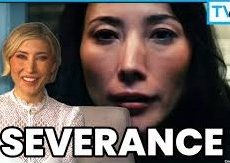
The ensemble helps ground the show’s high-concept premise with emotional depth and moral complexity. Olivia Williams brings a sophisticated and chilly demeanor to Adelle DeWitt, the calculating head of the Los Angeles Dollhouse. Harry Lennix plays Echo’s stoic handler, Boyd Langton. Fran Kranz infuses dark humor and humanity into genius programmer Toper Brink, and Dichen Lachman‘s portrayal of Sierra, another “Active” struggling to reclaim her stolen self, remains one of the series’ most heartbreaking arcs. (Lachman would, of course, go on to star in Severance, a series that explores haunting questions about control and consciousness.) Dollhouse found its footing when it leaned into these character dynamics, evolving into a true ensemble that balanced high-concept sci-fi with deeply human storytelling.
‘Dollhouse’ Woud’ve Thrived in the Streaming Era


Dollhouse‘s cancellation after just 26 episodes was a disappointment for fans, especially since its passionate following helped secure a surprise second-season renewal, according to Fox. While the first season often stumbled under network pressure to stick with a “case of the week” format, the writers eventually found the show’s true voice, even as they were forced to compress a five-season plan into two.
Many members of the writing staff, several of whom had honed their skills on Buffy the Vampire Slayer and Angel, wrote for both seasons, including Angel veteran Tim Minear, who penned the standout Season 2 episode “Belle Chose.” The episode encapsulated everything that made Dollhouse special: a mix of sharp comedy, eerie mystery, and genuine suspense that pushed the show’s premise and characters into darker, more complex territory.
Ultimately, Dollhouse was another example of a show that was simply too ahead of its time and one that would have thrived in today’s world of shorter, serialized streaming seasons. It’s blend of psychological depth and tougher, more mature themes would have been far better suited to the creative freedom that streamers now offer, and likely more embraced by audiences familiar with the genre-bending storytelling that’s become common since. The fact that it’s now climbing the streaming charts says it all. Though short-lived, Dollhouse became a cult classic. Its return to streaming has reignited the conversation, introducing new audiences to a series that feels more relevant than ever.
Dollhouse is available to rent or buy on Prime Video in the U.S.
Original article at Collider